Course Format:
- At present, courses are offered only online.
- There are two courses offered: Introductory and Advanced levels where the Introductory class is usually a prerequisite for the Advanced class.
- A minimum number of 20 attendees is required for all courses.
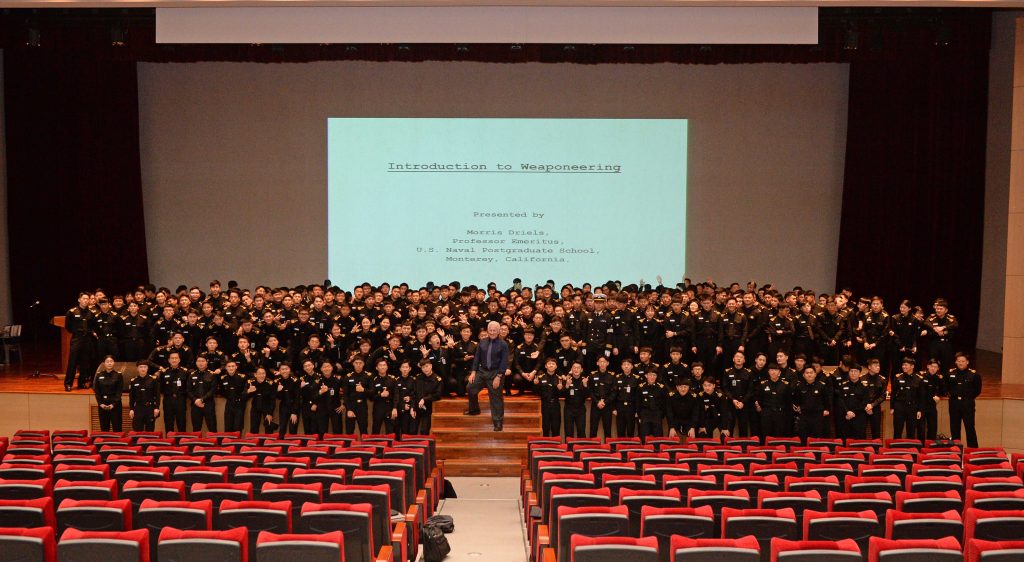
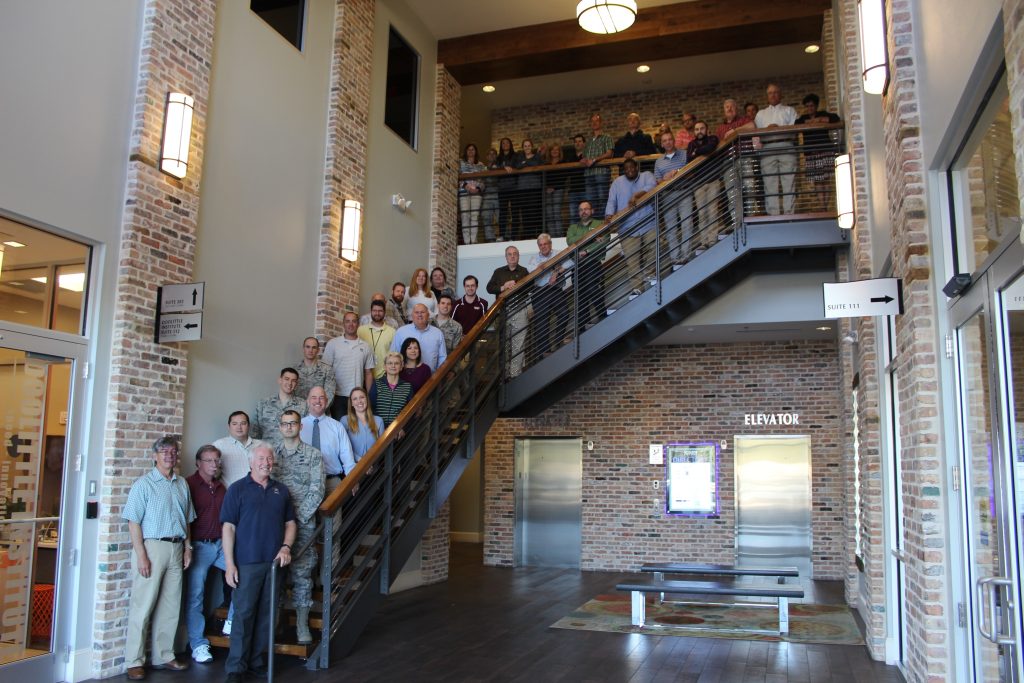
Course fees and other costs:
The course fee is $1600 for each student for both in-person and remote classes. Additional costs include textbooks shipped to the course location and any import taxes for locations outside the U.S.
Each student will receive a copy of the instructor’s textbook, a digital set of slides presented during the course, a completion certificate (2.4 CEU credits) and access to any software used in the class, including the unclassified Weaponeering Tool.
Further Information:
Please contact Morris Driels by email at morrisdriels@gmail.com
Course Descriptions:
Introductory Course – textbook: Weaponeering: An Introduction, 4th Edition, Volume 1
This course follows the Introductory textbook and covers each chapter in detail – see “Textbook” page . Broadly, the following topics are discussed:
1. Fundamental topics of Weaponeering including trajectory, accuracy, lethality, vulnerability and effectiveness methodologies.
2. Applications to specific targets such as bridges, buildings, tunnels, roads and runways.
3. Weapon effects such as cratering, ground penetration, air blast and collateral damage.
4. Use of a Weaponeering tool to investigate several practical examples.
Advanced Course – textbook: Advanced Weaponeering, 4th Edition, Volume 2
The Advanced course uses the fourth edition of the textbook – see “Textbook” page – and the Introductory class is usually a prerequisite for the Advanced class, even for experienced Weaponeers. The content is more flexible than the Introductory class and customer input is used to finalize the syllabus. Applications and sections may be focused on those weapon systems unique to the service or organization attending the class. The syllabus from a recent class for the U.S. Navy is shown below.
1. Review of introductory material.
2. Target damage mechanisms
3. Statistics.
4. Weapon trajectory.
5. Delivery accuracy.
6. Accuracy of surface launched, unguided munitions.
7. Target Vulnerability
8. Weapon Effectiveness
9. Single Shot and burst fire gun systems.
10. Deterministic and stochastic methods for fractional damage.
11. Injury to personnel due to fragments and blast.
12. Risk estimate distances.
13. Ray tracing effectiveness methodologies.
14. Case study examples using Weaponeering Program.
15. Case study – AC-130 Gunship.
16. Developments since the Russo-Ukranian war
Security Classification:
All courses are based on and use material from the Weaponeering textbooks, and as such are UNCLASSIFIED, Distribution Unlimited (Distribution A) with no ITAR restrictions.